Plumbing Blockage Repair in Denver, CO
Plumbing blockage repair services focus on resolving clogs and obstructions that hinder the proper flow of water and waste through residential plumbing systems. These projects typically involve clearing blockages in sinks, toilets, drains, and sewer lines caused by debris, grease, hair, or buildup. Homeowners often seek this service when experiencing slow drains, foul odors, or backups that disrupt daily activities, ensuring that plumbing functions efficiently and safely.
Before requesting plumbing blockage repair, property owners usually want to understand the potential causes of the clog, the scope of the work needed, and any necessary preparations. It’s helpful to know whether the blockage is confined to a single fixture or affects multiple areas, as well as if there are underlying issues such as tree roots or pipe damage. Clear communication about the problem’s location and history can assist in determining the most effective solution to restore proper drainage and prevent future issues.
Many property owners in Denver, CO look into Plumbing Blockage Repair for repairs, replacements, upgrades, and appearance-related improvements.
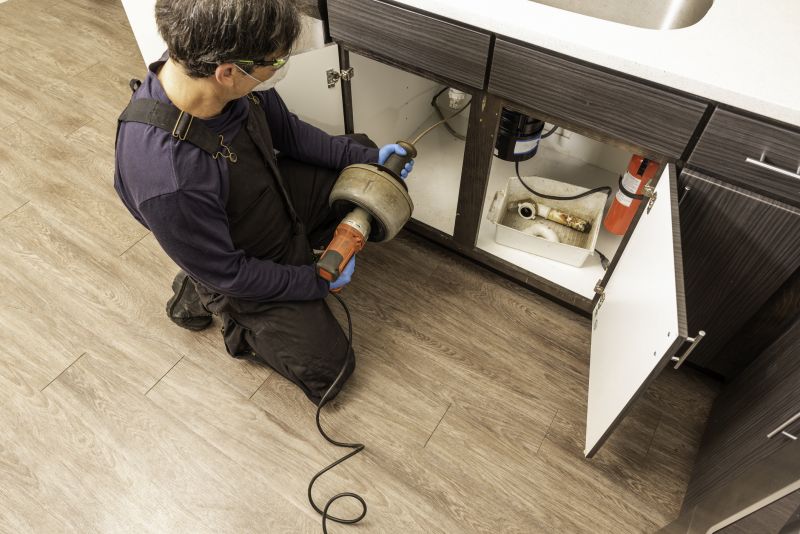
Common Causes Of Blockages
Blockages often result from grease buildup, foreign objects, or tree roots infiltrating pipes.
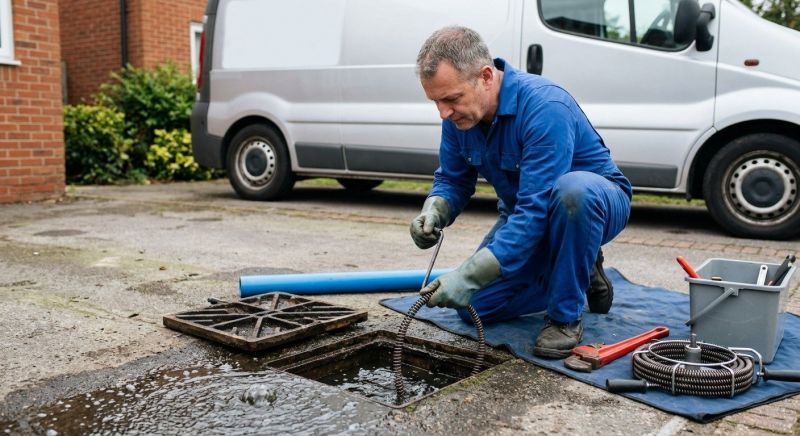
Signs Of Plumbing Blockages
Slow drains, gurgling sounds, and foul odors can indicate a blockage in your plumbing system.
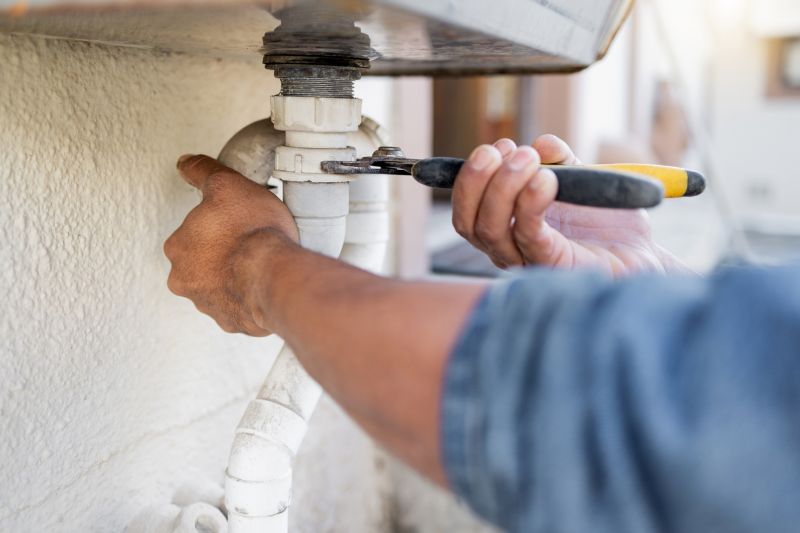
Preventative Maintenance Tips
Regular drain cleaning and mindful disposal of waste help keep pipes clear and functioning properly.
Plumbing Blockage Repair in Denver, CO

Plumbing blockage repair services focus on resolving clogs and obstructions that hinder the proper flow of water and waste through residential plumbing systems. These projects typically involve clearing blockages in sinks, toilets, drains, and sewer lines caused by debris, grease, hair, or buildup. Homeowners often seek this service when experiencing slow drains, foul odors, or backups that disrupt daily activities, ensuring that plumbing functions efficiently and safely.
Before requesting plumbing blockage repair, property owners usually want to understand the potential causes of the clog, the scope of the work needed, and any necessary preparations. It’s helpful to know whether the blockage is confined to a single fixture or affects multiple areas, as well as if there are underlying issues such as tree roots or pipe damage. Clear communication about the problem’s location and history can assist in determining the most effective solution to restore proper drainage and prevent future issues.
Many property owners in Denver, CO look into Plumbing Blockage Repair for repairs, replacements, upgrades, and appearance-related improvements.
Common Plumbing Blockage Repair Jobs
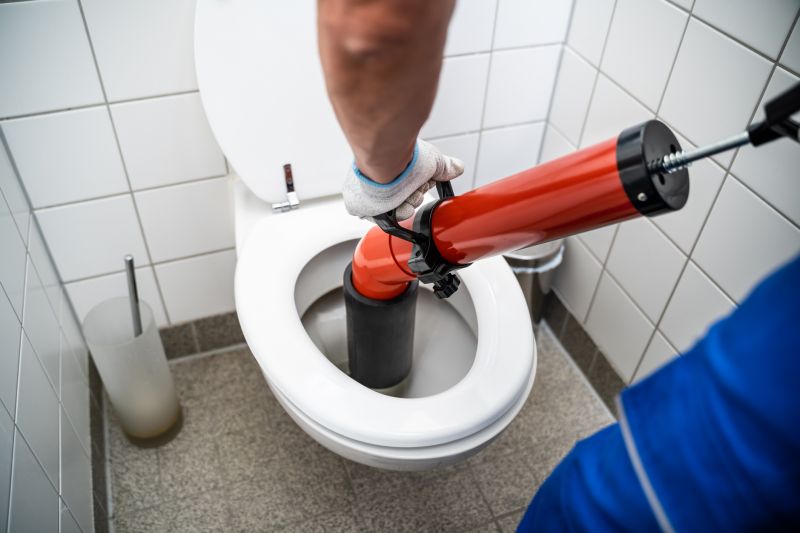
Drain Clearing - removes stubborn clogs from sinks, toilets, and main drains to restore proper flow.
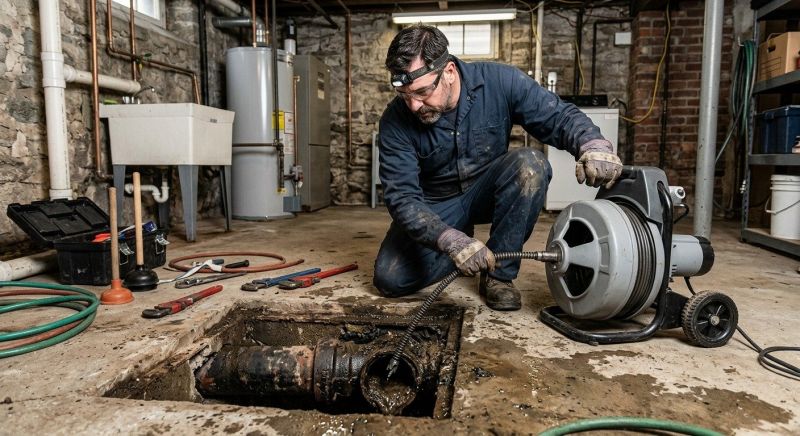
Pipe Snaking - uses specialized tools to break up blockages deep within plumbing lines.
Root Removal - clears tree roots infiltrating sewer lines to prevent backups and damage.
Hydro Jetting - employs high-pressure water to thoroughly clean and unblock pipes.
Camera Inspection - identifies the location and cause of blockages for targeted repairs.
Preventative Maintenance - offers solutions to reduce future clogs and maintain smooth plumbing operation.
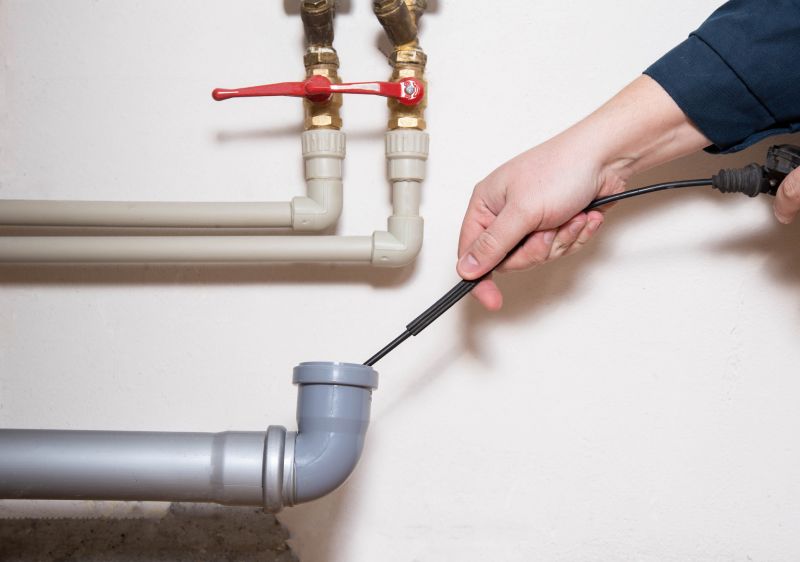
Plumbing Blockage Repair Questions
What causes plumbing blockages? Common causes include hair, grease, food particles, and mineral buildup that can accumulate over time and obstruct pipes.
How can I tell if there is a blockage? Signs include slow draining fixtures, gurgling sounds, or foul odors coming from drains.
Are chemical drain cleaners effective? Chemical cleaners may provide temporary relief but often do not resolve deep or stubborn blockages and can damage pipes.
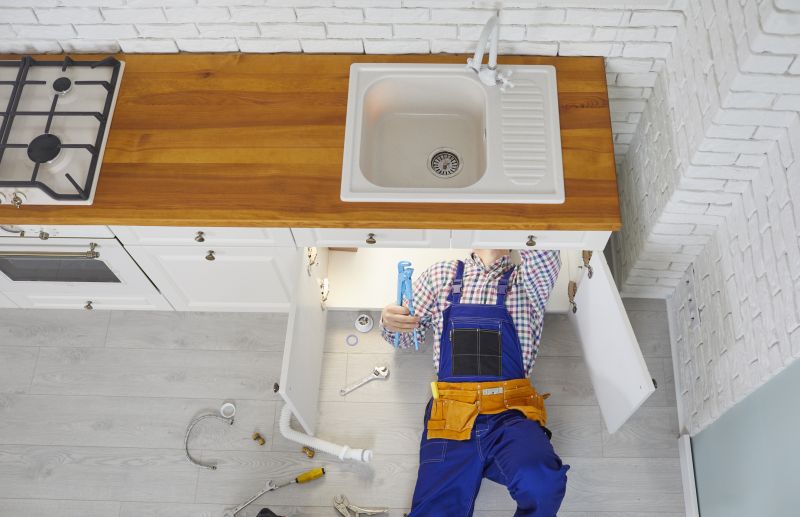
What types of projects typically require blockage repair? Projects often involve clearing clogs in kitchen sinks, bathroom drains, toilets, or main sewer lines to restore proper flow.
Request Plumbing Blockage Repair in Denver, CO
Use the quote form on this page to share the basics of your project and request more information for the type of work you need.